Cannabis has a language of its own. The first time someone hears words like “terpenes,” “full-spectrum,” “pre-roll,” “distillate,” “live resin,” “CBN,” or “entourage effect,” it can feel like walking into a conversation that started without you. That’s exactly why a clear cannabis glossary matters. At Mary & Main, we serve both medical and adult-use guests in Capitol Heights, MD, including first-time visitors, experienced cannabis consumers, and people from across Prince George’s County, Washington, D.C., and the surrounding DMV area. Our menu includes flower, pre-rolls, vapes, concentrates, edibles, tinctures, topicals, accessories, and medical cannabis options, so knowing the language can make your visit feel much easier. This guide explains common cannabis terms in plain English, with enough detail to help you understand what you’re looking at, what to ask, and how different products may feel.
Cannabis Glossary Basics
Cannabis: The plant used to make flower, pre-rolls, edibles, vapes, concentrates, tinctures, and topicals. Cannabis is the more formal term, while “weed,” “marijuana,” and “Mary Jane” are more casual or traditional words.
Marijuana: A common term for cannabis, especially in older laws, public health materials, and everyday conversation. Many people now prefer “cannabis” because it feels more accurate and less stigmatized.
Weed: A casual slang word for cannabis. You’ll hear it often, but product labels and dispensary education usually use “cannabis.”
Dispensary: A licensed location where adults or medical patients can legally access cannabis. UCLA’s cannabis terminology resource defines a dispensary as a place where a patient can legally access cannabis, though modern adult-use markets now also serve recreational customers where state law allows it.
Budtender: A dispensary team member who helps guests understand products, formats, strains, cannabinoids, and dosing. At Mary & Main, our experienced team helps guests feel comfortable exploring cannabis, whether they’re brand new or already familiar with the plant.
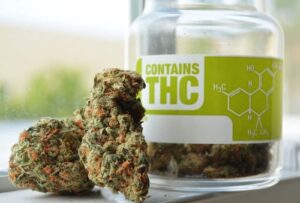
Flower: The dried and cured buds of the cannabis plant. Flower is one of the most classic cannabis products and is often chosen by people who enjoy aroma, strain variety, and a more traditional experience.
Bud: Another word for cannabis flower. Bud usually refers to the resin-rich part of the plant that contains cannabinoids and terpenes.
Strain: A named cannabis variety. Each strain may have its own aroma, appearance, cannabinoid content, terpene profile, and reported effects.
Cultivar: A more precise word for a cultivated plant variety. In cannabis, cultivar and strain are often used to mean similar things, though “cultivar” is more botanically accurate.
Cannabis Terms for Cannabinoids
Cannabinoids: Chemical compounds found in the cannabis plant that interact with the body’s cannabinoid receptors. UCLA notes that cannabinoids act on the body’s cannabinoid receptors, with THC being the best researched.
THC: Short for tetrahydrocannabinol. THC is the cannabinoid most associated with the psychoactive high. It can affect mood, perception, appetite, relaxation, and body sensation.
CBD: Short for cannabidiol. CBD is a cannabinoid that does not create the same intoxicating high as THC. Some guests look for CBD when they want a more balanced or less intense cannabis experience.
CBN: Short for cannabinol. CBN is often found in nighttime products and is commonly associated with rest-focused formulations. It may be paired with THC, CBD, or other ingredients.
CBG: Short for cannabigerol. CBG is sometimes called a minor cannabinoid because it usually appears in smaller amounts than THC or CBD. Some consumers are curious about it for daytime products, focus-oriented blends, or balanced formulations.
THCA: The acidic, non-intoxicating form of THC found in raw cannabis. THCA becomes THC through heat.
Decarboxylation: The process of heating cannabis to activate certain cannabinoids. This matters when people make homemade edibles, because raw cannabis must be heated properly for THCA to convert into THC.
Delta-9 THC: The main form of THC found in cannabis and the compound most people mean when they talk about THC in licensed cannabis products.
Cannabinoid ratio: The relationship between cannabinoids in a product. For example, a 1:1 product may contain equal parts THC and CBD. A 2:1 product may contain twice as much of one cannabinoid as the other.
Terpenes and Flavor Terms
Terpenes: Aromatic compounds that give cannabis its scent and flavor. UCLA describes terpenes as the primary aromatic elements in cannabis that provide scent and flavor.
Myrcene: A terpene often associated with earthy, herbal, musky, or mango-like aromas. Many consumers connect myrcene-heavy strains with relaxing experiences, though effects depend on the whole product.
Limonene: A citrusy terpene that may smell like lemon, orange, or grapefruit. People often associate limonene-forward strains with bright, fresh, or uplifting aromas.
Pinene: A terpene that smells like pine, rosemary, or fresh forest air.
Caryophyllene: A spicy, peppery terpene also found in black pepper and cloves.
Linalool: A floral terpene also found in lavender. It’s often associated with soft, calming aromas.
Terpene profile: The mix of terpenes in a cannabis product. This can help explain why one flower smells sweet and fruity while another smells gassy, earthy, or herbal.
Gas: A common cannabis aroma term. It usually describes a strong fuel-like, diesel-like, or pungent smell.
Dank: Slang for high-quality or very aromatic cannabis. It often means the flower has a strong smell and noticeable character.
Earthy: A flavor or aroma that feels woody, soil-like, herbal, or natural.
Sweet: A term used for flower or vapes with candy, dessert, fruit, or vanilla-like notes.
Indica, Sativa, and Hybrid
Indica: A term often used for cannabis associated with relaxing, body-heavy, or evening-style effects. UCLA notes that indica strains are anecdotally believed to have more relaxing physical effects, though empirical evidence is limited.
Sativa: A term often used for cannabis associated with more energetic, creative, or mentally active effects. Like indica, this is a helpful starting point, not a guarantee.
Hybrid: A cross between indica and sativa genetics. Most modern cannabis products are hybrids, meaning they may blend traits from both categories.
Indica-dominant hybrid: A hybrid that leans toward the relaxing side.
Sativa-dominant hybrid: A hybrid that leans toward the uplifting or daytime side.
Balanced hybrid: A product described as sitting somewhere in the middle.
Here’s the part that matters when using this cannabis glossary in real life: indica and sativa are not the whole story. Two indica-labeled products can feel different because the THC level, terpene profile, minor cannabinoids, dose, and your own body chemistry all matter.
That’s why our Mary & Main team often looks beyond the category and helps guests think through the full product profile.
Cannabis Glossary for Product Types
Pre-roll: Cannabis flower already rolled into a joint. Pre-rolls are popular because they’re convenient and ready to use.
Infused pre-roll: A pre-roll with added concentrate, kief, hash, or oil. These are usually stronger than standard pre-rolls.
Vape: A product that heats cannabis oil or flower to create vapor. UCLA defines a vaporizer as a device that heats cannabis flower or cannabis oil to produce vapor without combustion.
Vape cartridge: A small cartridge filled with cannabis oil and used with a compatible battery.
Disposable vape: A vape device that comes pre-filled and ready to use without a separate battery.
Edible: A cannabis-infused food or beverage. Edibles may include gummies, chocolates, drinks, capsules, mints, baked goods, and other infused products. They take longer to kick in than inhaled cannabis because they move through digestion first.
Tincture: A liquid cannabis product often dosed with a dropper. Tinctures may allow more flexible serving sizes than many edibles.
Topical: A cannabis-infused lotion, balm, cream, or salve applied to the skin. Topicals are usually chosen for localized use rather than a traditional intoxicating experience.
Concentrate: A potent cannabis product made by extracting cannabinoids and terpenes from the plant. Concentrates include products like wax, shatter, resin, rosin, budder, and oil. UCLA describes concentrates as products made by extracting active compounds from cannabis, often resulting in high cannabinoid levels.
Accessory: A non-cannabis item used with cannabis products, such as rolling papers, lighters, batteries, glassware, grinders, or storage containers.
At Mary & Main, our menu is organized around common categories like flower, pre-rolls, vapes, concentrates, edibles, topicals, and accessories, with separate adult-use and medical menus.
Concentrate Terms Made Easy
Extract: Another word for a cannabis concentrate. It means active compounds have been separated from the plant material.
Wax: A concentrate with a soft, sticky texture.
Shatter: A concentrate with a glassy, brittle texture.
Budder: A creamy or whipped concentrate.
Crumble: A dry, crumbly concentrate.
Live resin: A concentrate often made from fresh-frozen cannabis to help preserve aroma and terpene character.
Rosin: A solventless concentrate made with heat and pressure. Many consumers like rosin because it’s created without hydrocarbon solvents.
Distillate: A refined cannabis oil that is often high in THC. Distillate is common in vapes and edibles because it can be consistent and potent.
Hash: A traditional concentrate made from collected trichomes. UCLA describes hash as gathered trichomes, often stronger than flower because of the higher THC concentration.
Kief: Loose trichomes separated from cannabis flower. Kief often looks like a powdery, sandy layer and can be added to flower or used in certain infused products.
Dab: A small serving of concentrate that is vaporized and inhaled using a dab rig or compatible device.
Dab rig: A device used to consume concentrates.
Label Terms to Know Before Choosing Cannabis
THC percentage: The amount of THC in a product by weight. Flower and concentrates often list THC as a percentage.
Total cannabinoids: The combined amount of cannabinoids in a product. This may include THC, CBD, CBG, CBN, and others.
Milligrams: A dosing measurement usually used for edibles, tinctures, capsules, and beverages. If a gummy has 10 mg THC, that means the serving contains 10 milligrams of THC.
Serving size: The amount recommended for one serving. This is especially important with edibles.
Package total: The total amount of THC, CBD, or other cannabinoids in the whole package.
Batch number: A tracking number tied to a specific batch of cannabis product.
COA: Certificate of analysis. A lab report that can show cannabinoid levels, terpene levels, and testing information.
Harvest date: The date cannabis flower was harvested.
Package date: The date the product was packaged. Freshness depends on storage, harvest date, cure, and packaging.
Potency: A word for strength. Potency often refers to THC percentage or THC milligrams, but strength is only one part of the experience.
Low dose: A smaller serving of THC or cannabis. For edibles, many beginners prefer lower milligram options.
High dose: A larger serving of THC or cannabis. What counts as high depends on tolerance, product type, and personal experience.
Cannabis Terms for Effects and Experience
Onset: How long it takes to feel effects. Smoking and vaping usually have a faster onset than edibles.
Duration: How long effects last. Edibles usually last longer than inhaled cannabis.
Peak: The strongest part of the experience.
Tolerance: How used to cannabis your body is. A new consumer may feel strong effects from a small amount, while a regular consumer may need more.
Microdose: A very small dose meant to create a gentle, manageable experience.
Overconsumption: Taking too much cannabis. This can feel uncomfortable and may include anxiety, dizziness, confusion, nausea, or feeling too high.
Body high: A physical sensation that may feel relaxing, heavy, warm, loose, or calm.
Head high: A more mental or cerebral experience that may feel creative, talkative, dreamy, thoughtful, or energized.
Entourage effect: The idea that cannabinoids, terpenes, and other plant compounds may work together to shape the overall experience.
Full-spectrum: A product that keeps a wider range of cannabis compounds, including cannabinoids and terpenes.
Broad-spectrum: A product that contains multiple cannabis compounds but may remove THC, depending on how it is formulated.
Isolate: A purified single compound, such as CBD isolate.
Maryland Cannabis Terms to Understand
Adult-use cannabis: Cannabis available to adults 21 and older under Maryland law.
Medical cannabis: Cannabis available to qualifying medical patients. Mary & Main serves both medical and adult-use guests, with dedicated medical accommodations listed in our FAQ.
Valid government ID: Identification required to purchase adult-use cannabis in Maryland. The Maryland Cannabis Administration states that adults must show a government-issued photo ID proving they are 21 or older at the point of sale.
Licensed dispensary: A legal cannabis retailer approved under state rules. In Maryland, cannabis products may be purchased from licensed dispensaries.
Personal use amount: The legal possession and purchase amount for adult-use cannabis in Maryland. The Maryland Cannabis Administration lists this as up to 1.5 ounces of flower, 12 grams of concentrates, or cannabis products containing up to 750 mg of THC.
Public consumption: Using cannabis in a public place. In Maryland, adults may use cannabis in private homes and private property, but public use is restricted, and landlords or property managers may prohibit cannabis use on their properties.
Interstate transport: Taking cannabis across state lines. Even if cannabis is legal in Maryland, the state notes that cannabis remains illegal under federal law and cannot be carried or transported across state lines.
Impairment: Reduced coordination, judgment, reaction time, or ability to safely drive. The Maryland Cannabis Administration warns that cannabis can impair skills needed for safe driving and that edible effects can be delayed.
Cannabis Glossary for Edibles
Edible: A cannabis-infused product you eat or drink.
Gummy: One of the most common edible formats.
Chocolate: A cannabis-infused chocolate product.
Beverage: A drink infused with cannabis.
Capsule: A swallowed cannabis product that can feel more like a supplement format.
Delayed onset: The time gap between consuming an edible and feeling the effects. Edibles can take longer because they move through digestion.
Start low and go slow: A common cannabis phrase that means begin with a small serving and wait before taking more.
THC per serving: The amount of THC in one serving.
Total THC: The amount of THC in the whole package.
Some customers tell us they tried edibles once, felt nothing after 30 minutes, took more, and then realized later that the first serving had not fully kicked in yet. That is one of the most common edible mistakes. The better approach is to read the label, choose a low starting dose, give it enough time, and plan your evening so you’re not driving or handling important responsibilities.
Cannabis Glossary for Flower
Grind: Breaking flower into smaller pieces before rolling or using it in a device.
Grinder: A small tool used to break down flower evenly.
Cure: The drying and aging process after harvest. A good cure can improve aroma, texture, and smoothness.
Sticky: A term for resinous flower that feels slightly tacky because of trichome content.
Frosty: A visual description for flower covered in visible trichomes.
Dense: Buds that feel compact and heavy.
Fluffy: Buds that feel lighter, airier, or less compact.
Trim: The removal of extra leaves from flower after harvest.
Seeded flower: Flower that contains seeds. Most dispensary flower is expected to be seedless or mostly seedless.
Smalls: Smaller buds from the same plant. Smalls may be more affordable while still offering a similar strain profile.
How to Use This Cannabis Glossary at Mary & Main
The best way to use a cannabis glossary is to turn definitions into better questions.
Instead of asking, “What’s the strongest thing you have?” you might ask, “What flower has a relaxing terpene profile but not too much THC?”
Instead of saying, “I want an edible,” you might say, “I’m newer to edibles and want a lower-dose option that’s easier to manage.”
Instead of choosing based only on indica or sativa, you might ask, “What’s the terpene profile like, and how do customers usually describe the experience?”
Our Mary & Main team is built around education, community, and comfort. We were founded with a mission to provide safe, quality cannabis products and empower individuals and community wellness, and our site describes Mary & Main as one of the first Black-owned and women-owned dispensaries in the DMV area.
That matters because cannabis education is not just about definitions. It’s about helping people feel respected, informed, and comfortable enough to ask real questions.
Common Cannabis Questions
What cannabis terms should beginners know first?
Beginners should start with cannabis, flower, THC, CBD, terpene, edible, vape, pre-roll, concentrate, tincture, topical, dose, onset, and tolerance. Those words show up constantly on labels, menus, and dispensary conversations.
What is the difference between THC and CBD?
THC is the cannabinoid most associated with feeling high. CBD does not create the same intoxicating high and is often chosen by people looking for a more balanced or gentle cannabis experience.
Are indica and sativa reliable?
They are useful starting points, but they are not perfect predictors. Terpenes, cannabinoids, dose, tolerance, and your own body chemistry all influence the experience.
What does terpene mean?
A terpene is an aromatic compound that gives cannabis its smell and flavor. Terpenes are why one strain may smell citrusy, while another smells earthy, gassy, sweet, or piney.
What does full-spectrum cannabis mean?
Full-spectrum cannabis products contain a wider range of cannabis compounds rather than just one isolated cannabinoid. Many people choose full-spectrum products because they want a more complete plant profile.
Why do edibles feel stronger or last longer?
Edibles are processed through digestion, so they usually take longer to kick in and may last longer than inhaled cannabis. That delayed onset is why careful dosing matters.
How much cannabis can adults buy in Maryland?
Maryland allows adults 21 and older to purchase up to the personal use amount from licensed dispensaries. The Maryland Cannabis Administration lists that amount as up to 1.5 ounces of flower, 12 grams of concentrates, or cannabis products containing up to 750 mg of THC.
A Simple Way to Remember Cannabis Terms
Cannabis language gets easier when you group terms by what they actually help you understand. Cannabinoids help explain what may drive the effect. Terpenes help explain aroma and flavor. Product types help explain how cannabis is consumed. Label terms help explain strength and serving size. Maryland legal terms help you understand what is allowed, where cannabis can be used, and how to stay within state rules. Once you understand those categories, the words stop feeling random. They become tools.
At Mary & Main, we want cannabis to feel approachable, not intimidating. A better vocabulary can help you ask better questions, compare products more clearly, and choose cannabis with more confidence the next time you visit us in Capitol Heights.